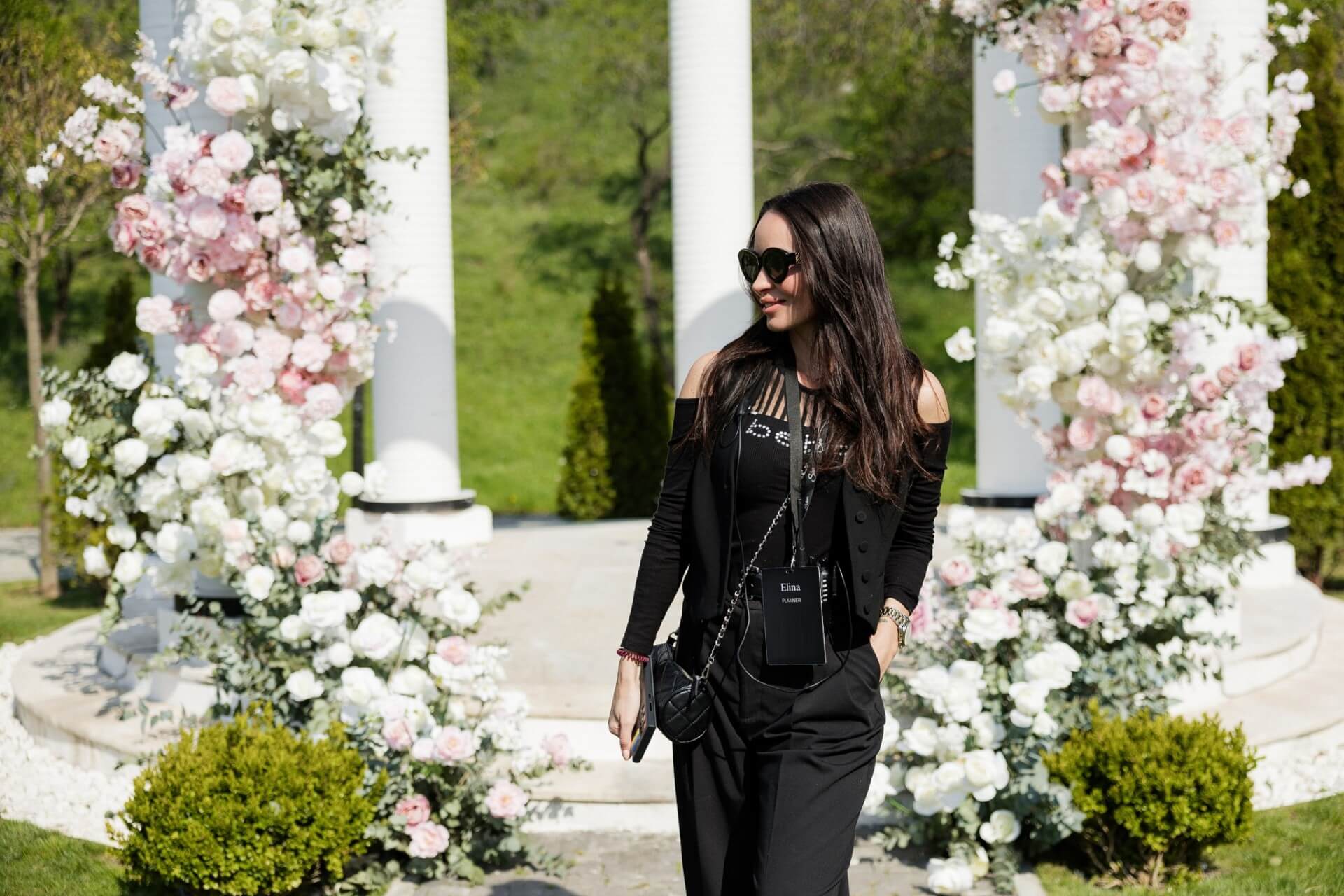
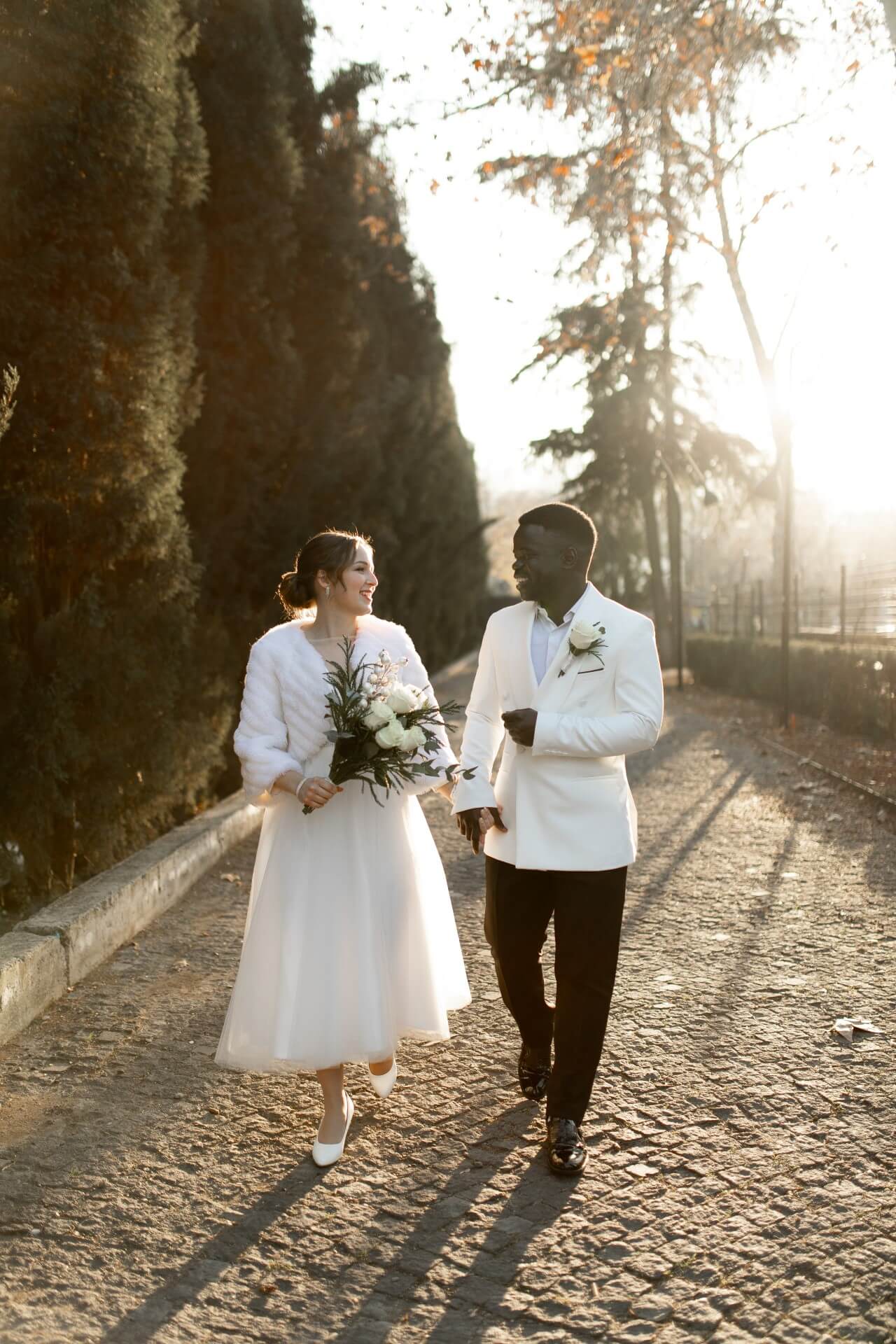
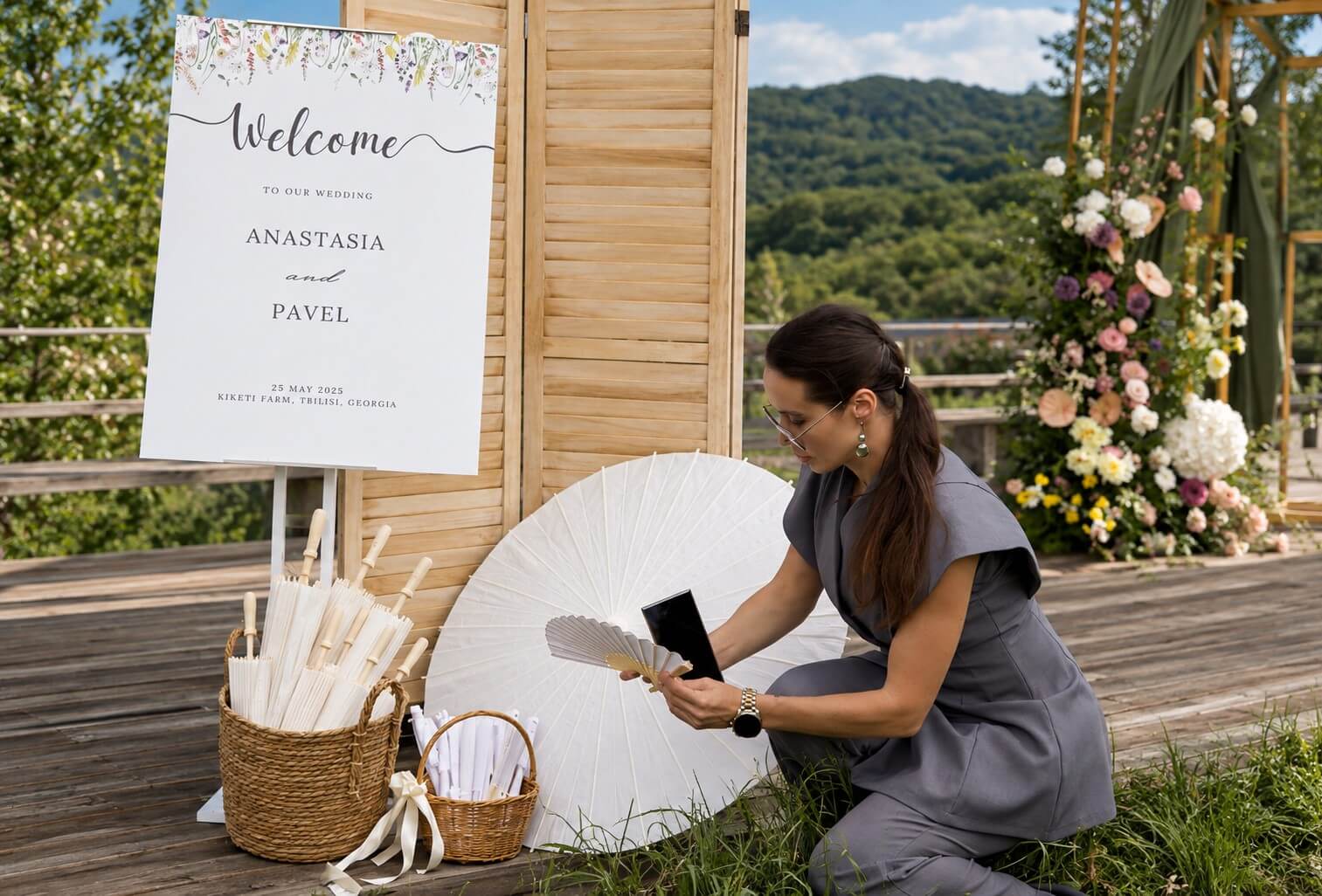
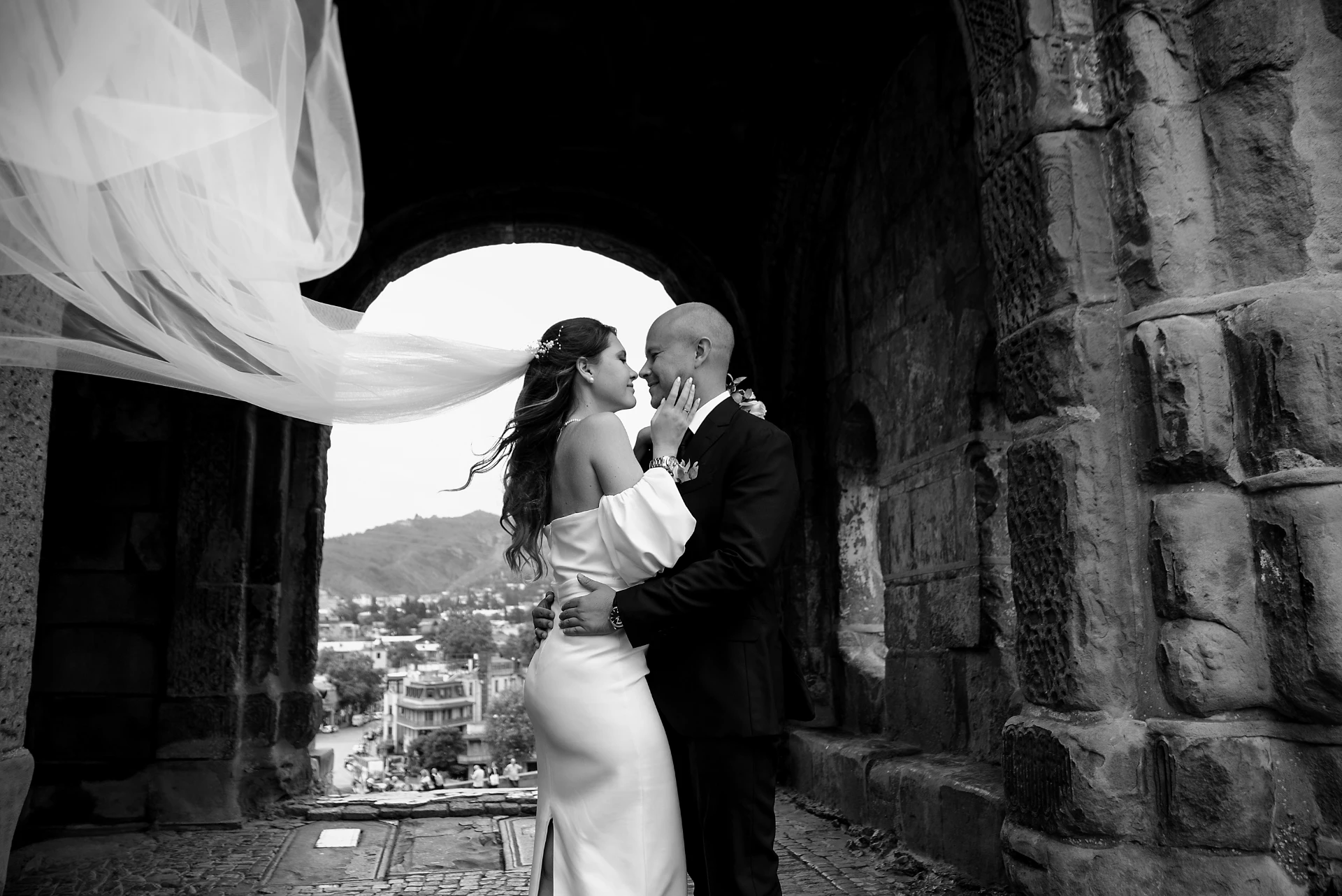
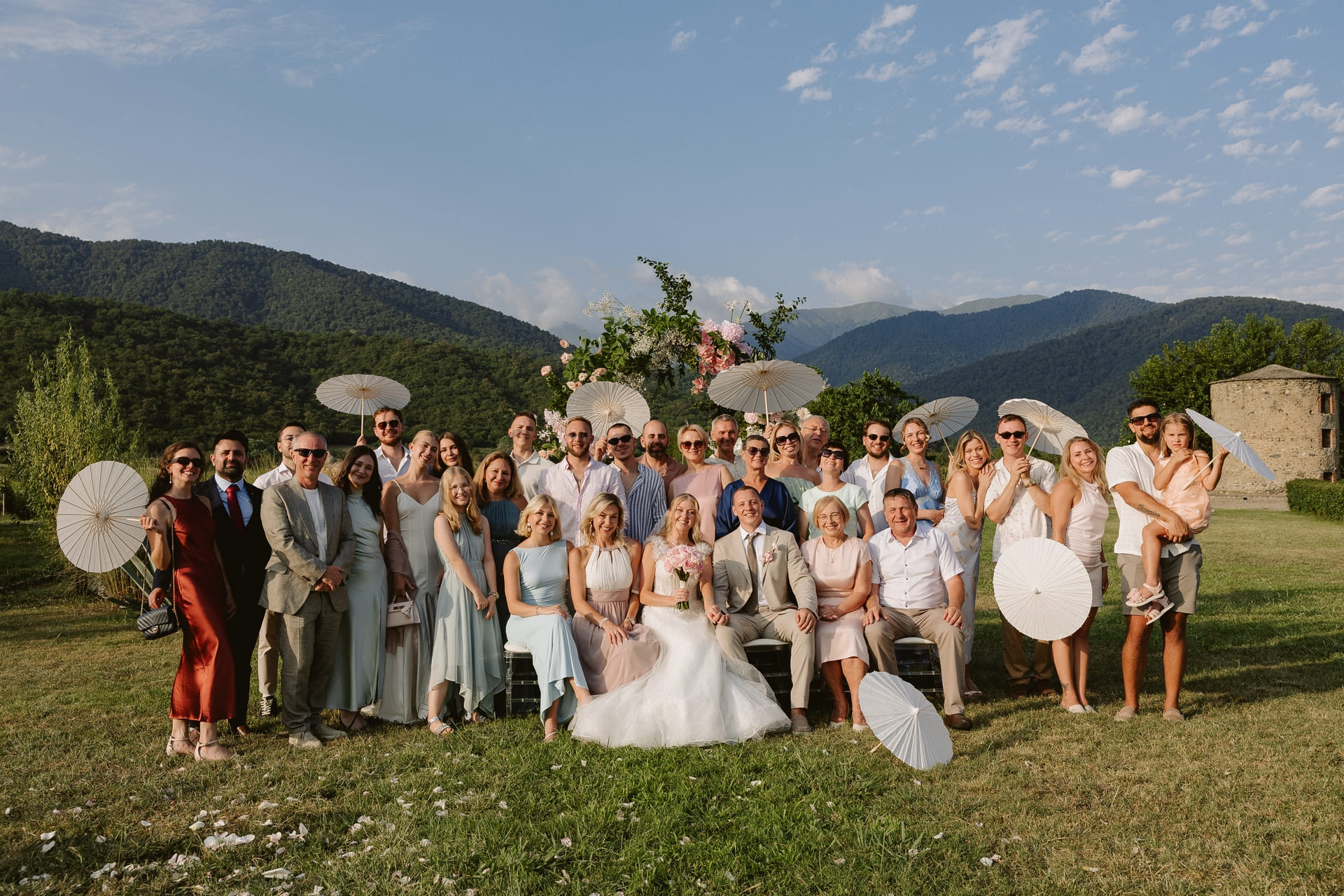
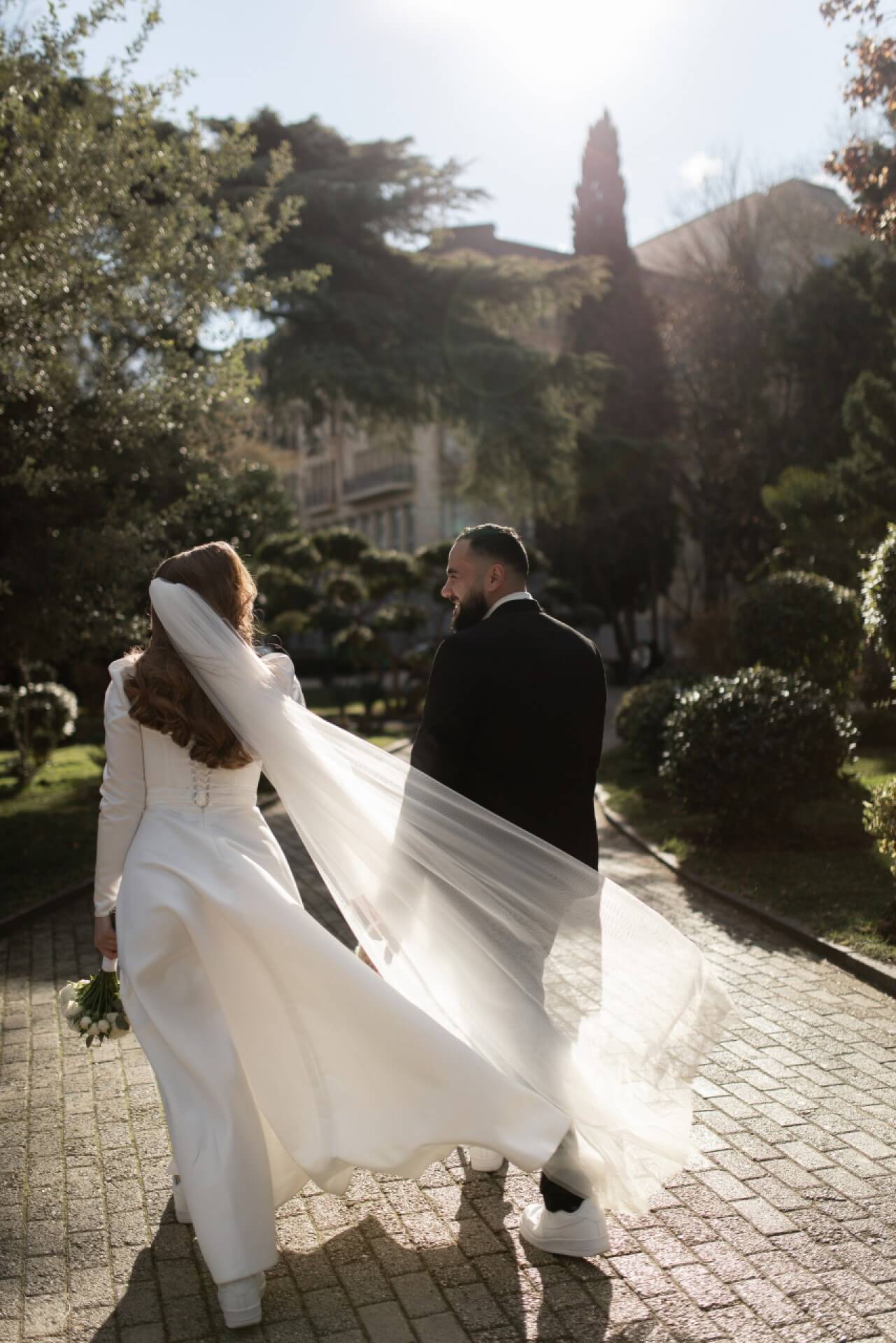
A beautiful feed on social media is no guarantee of professionalism. Behind a picture-perfect shot, there may be a ruined timeline or a budget that ballooned out of control.
What to evaluate:
- Specific role in the project. Clarify exactly what the planner did: did they create the event from scratch, handle the decor, or simply coordinate another specialist’s pre-written scenario?
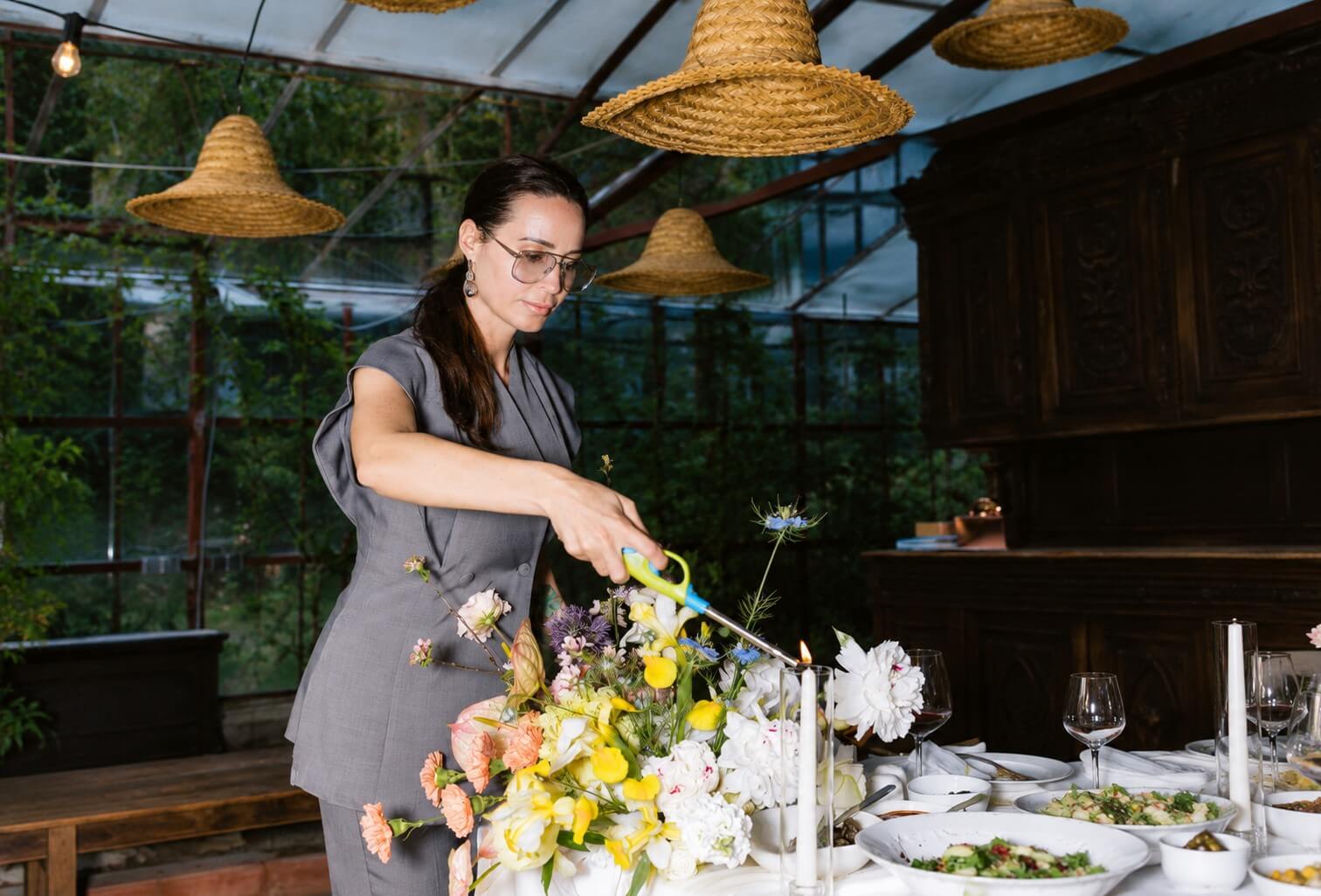
- The full picture. When examining a wedding planner portfolio, ask to see a real wedding in its entirety – from the morning preparations to the cake cutting. A polished workshop photoshoot with models does not demonstrate how a specialist manages a real couple, a live timeline, and actual guests.
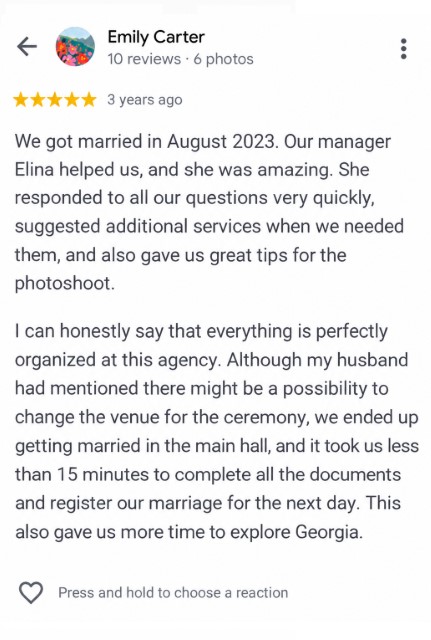
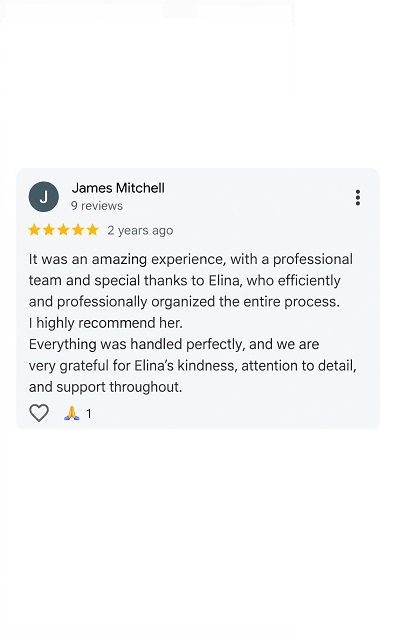
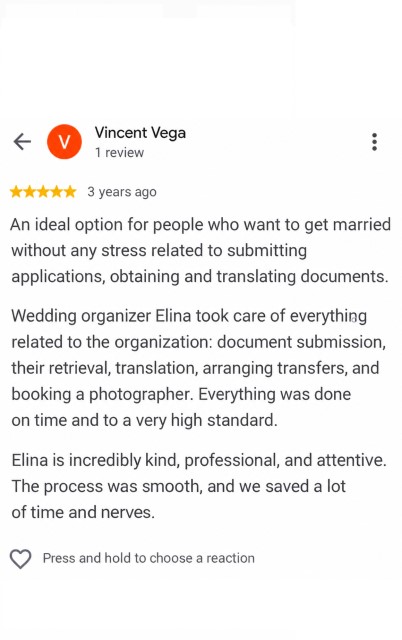
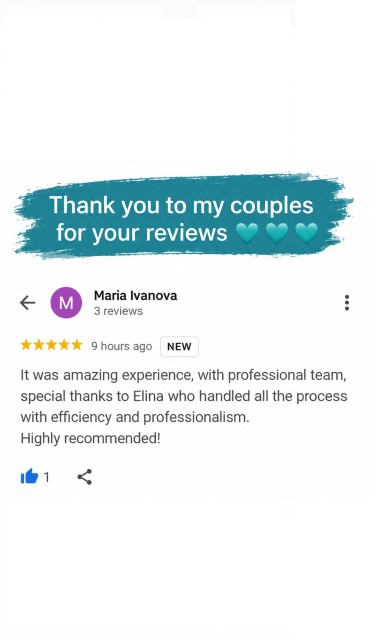
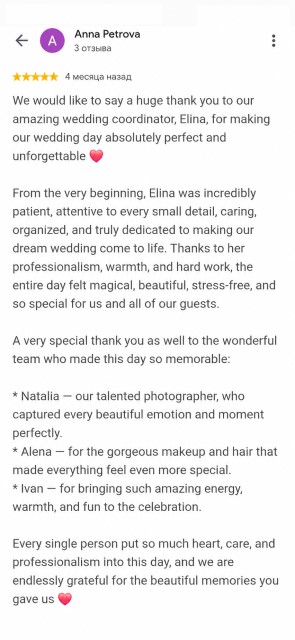
- Facts in testimonials. When reading wedding planner reviews, filter out vague, anonymous praise. Look for specific facts and credibility: was the wedding budget breakdown respected, how were unexpected issues handled, was the planner responsive, and how comfortable was the couple throughout the planning process?
Local knowledge of venues, vendors and logistics in Georgia
A scenic view is just a single frame in a portfolio. In practice, I evaluate every location through physical, technical, and logistical constraints.
Where sharp local expertise is vital:
- Travel time and route logistics. A distance of 100 km on a map in Georgia can easily turn into a 3.5-hour mountain drive. For instance, a wedding in Kakheti requires scheduling team departures from the capital and booking rooms for guests on-site, rather than arranging a complex late-night road transfer after the event.
- Technical boundaries. A wedding in Tbilisi usually means hotel rooftop terraces with strict noise regulations and event constraints. For countryside venues, power supply capacity for technical equipment riders and wind resistance for outdoor structures become critical factors.
- Backup indoor space (Plan B). If you are planning an open-air ceremony – especially for a mountain wedding in Georgia, where the weather can change in 15 minutes – having a backup location is crucial. Venues should always be vetted alongside an alternative indoor space that accommodates all guests comfortably without compromising on aesthetic appeal.
Direct communication and a clear planning process
You will be working together for several months, so it is crucial to find someone you feel comfortable with and who keeps the process completely transparent. To make the right choice, I recommend focusing on four key aspects:
- Who is actually managing your project. Clarify right away: will the planning and coordination be handled by one person, or will you be passed around from one staff member to another, leaving you confused about who to contact?
- Clear communication. In Georgia, not all specialists and local vendors speak English, Russian, or Ukrainian fluently. Your planner should speak your language effortlessly to understand your vision and clearly communicate what they are proposing.
- Documenting agreements. A planner can be wonderful to talk to, yet entirely disorganized – failing to take notes and forgetting key details right after a call. A professional documents every decision, turning discussions into an actionable plan rather than verbal promises forgotten five minutes later.
- Consistent availability. One of the biggest drawbacks of large agencies is communication gaps caused by high client volumes and staff turnover. Today one manager handles your wedding, tomorrow another takes over, and getting a simple status update requires going through account managers and sales teams.
When a personal wedding planner manages your celebration, this chain of intermediaries simply does not exist. You know exactly who to message to get a direct, prompt answer to any question – without losing time in client queues or transfers.
Transparent quotes and written terms
The financial side of planning should leave no room for questions or doubts. Choosing a wedding planner should always be backed by a detailed wedding budget breakdown, where the planner’s fee, venue cost, vendor invoices, and logistics expenses are clearly separated rather than hidden inside one vague “all-inclusive” sum. Be sure to review the wedding planner contract before signing: it must clearly outline a step-by-step payment schedule, approval procedures for unforeseen expenses, and explicit terms for date rescheduling or event cancellation.
Wedding day staffing and a backup plan
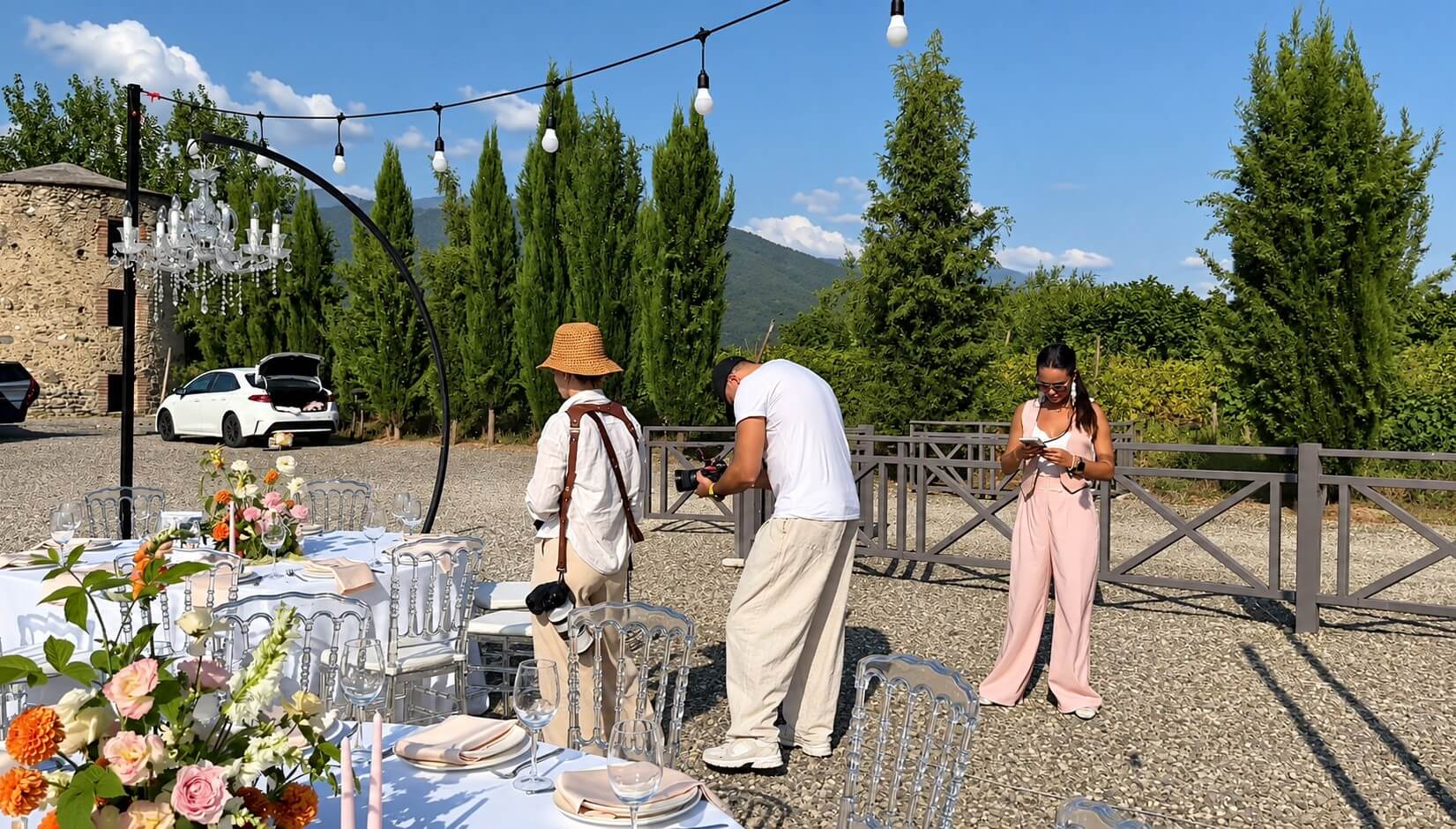
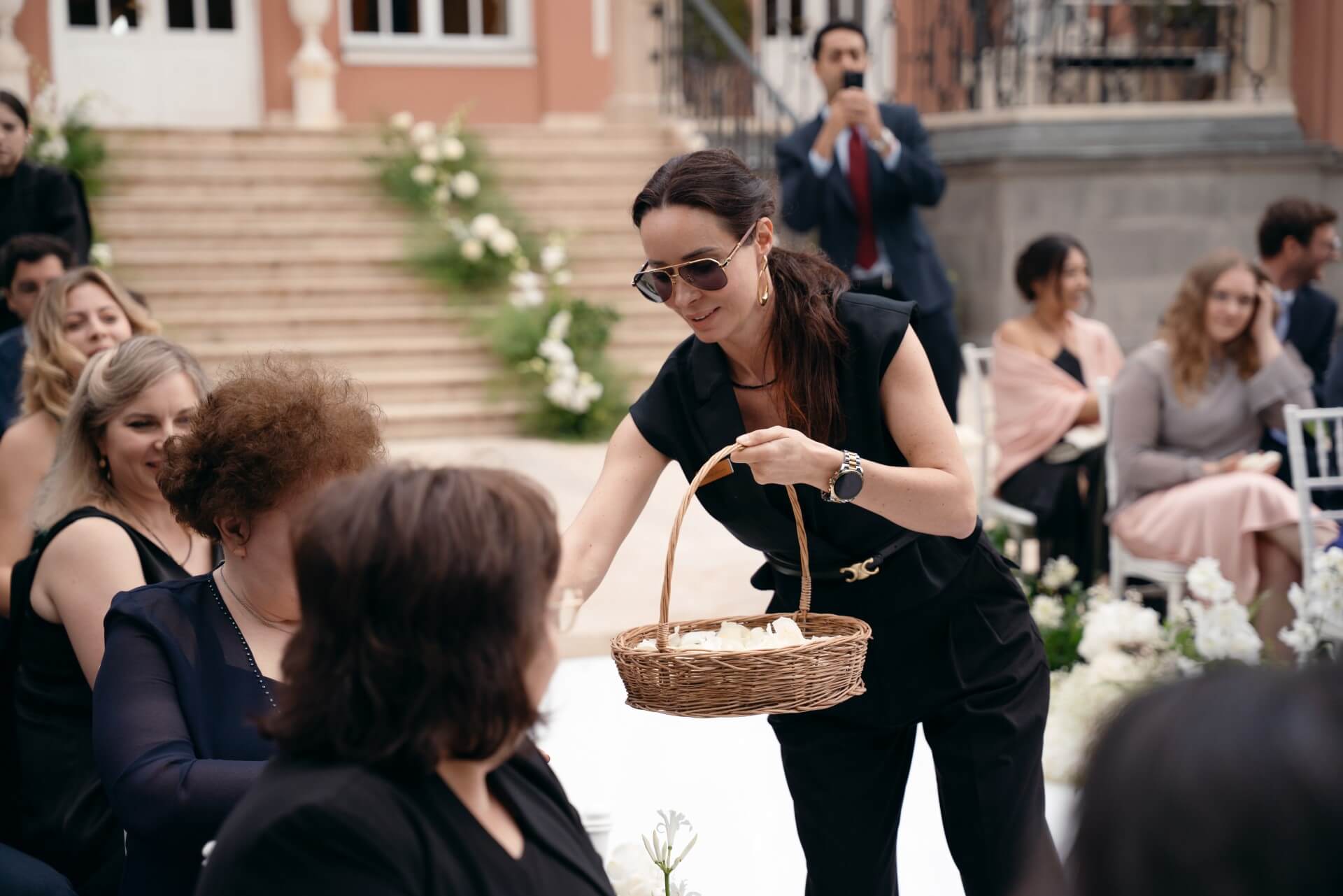
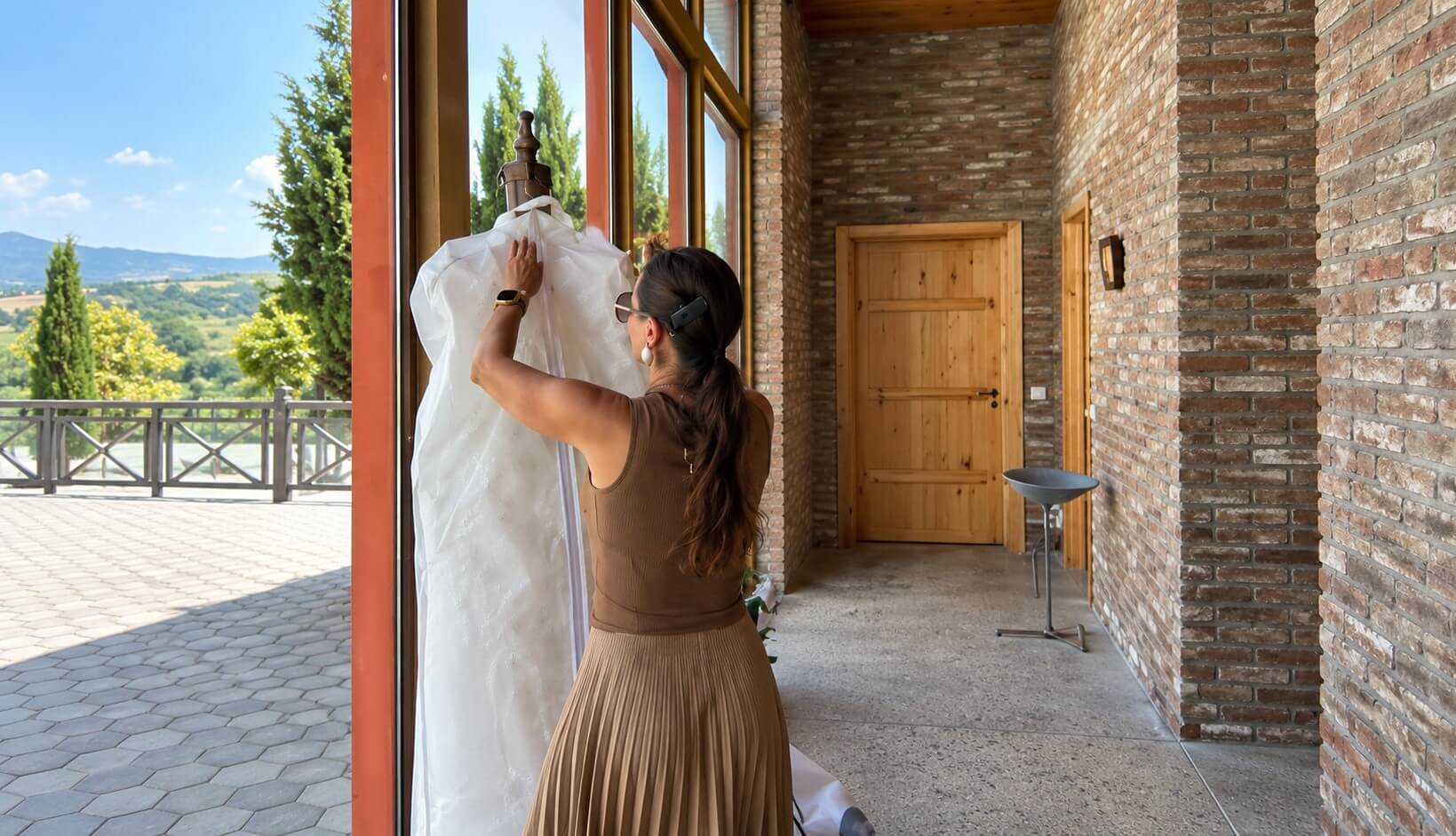
No matter how talented a planner is, on the wedding day, one person physically cannot greet guest transfers, supervise decor setup, and coordinate dinner service all at once. Team staffing is always calculated based on the scale of the event so that dedicated specialists manage vendors, guests, and venue operations simultaneously. At the same time, verify the existence of a Plan B: your planner must have ready scenarios for sudden weather shifts, timeline delays, or a key vendor’s sudden illness, with instant replacements drawn from a trusted backup list.